Stephanie Stinson, a dedicated marine conservationist, has learned across her career that impact through service begins with fostering relationships and building community.
Growing up, service was modeled to Stephanie by her father. She has many fond memories of tagging along and witnessing her dad’s generosity throughout his lifelong involvement with organizations like Kiwanis International. His consistent acts of service left an impression on her and ultimately inspired her decision to serve in the Peace Corps.
Shortly after completing her bachelor’s degrees in Journalism, Psychology, and Spanish from the University of Florida, Stephanie applied to the Peace Corps with the intention of applying her foreign language skills via a placement in a Spanish-speaking country. Her first Peace Corps assignment was as a Rural Community Health Extensionist in Cantera Boca, Paraguay, providing resources and support on the topics of nutrition, first aid, dental and sexual health, among others.
As she spent more time in the community, she began to understand the relationship between the environment and human health. She lived in an agricultural community of about 300 people with no access to waste management services. With no alternative available, this led families to burn their waste, leading to respiratory issues in the community and environmental contamination that affected crops and livestock.
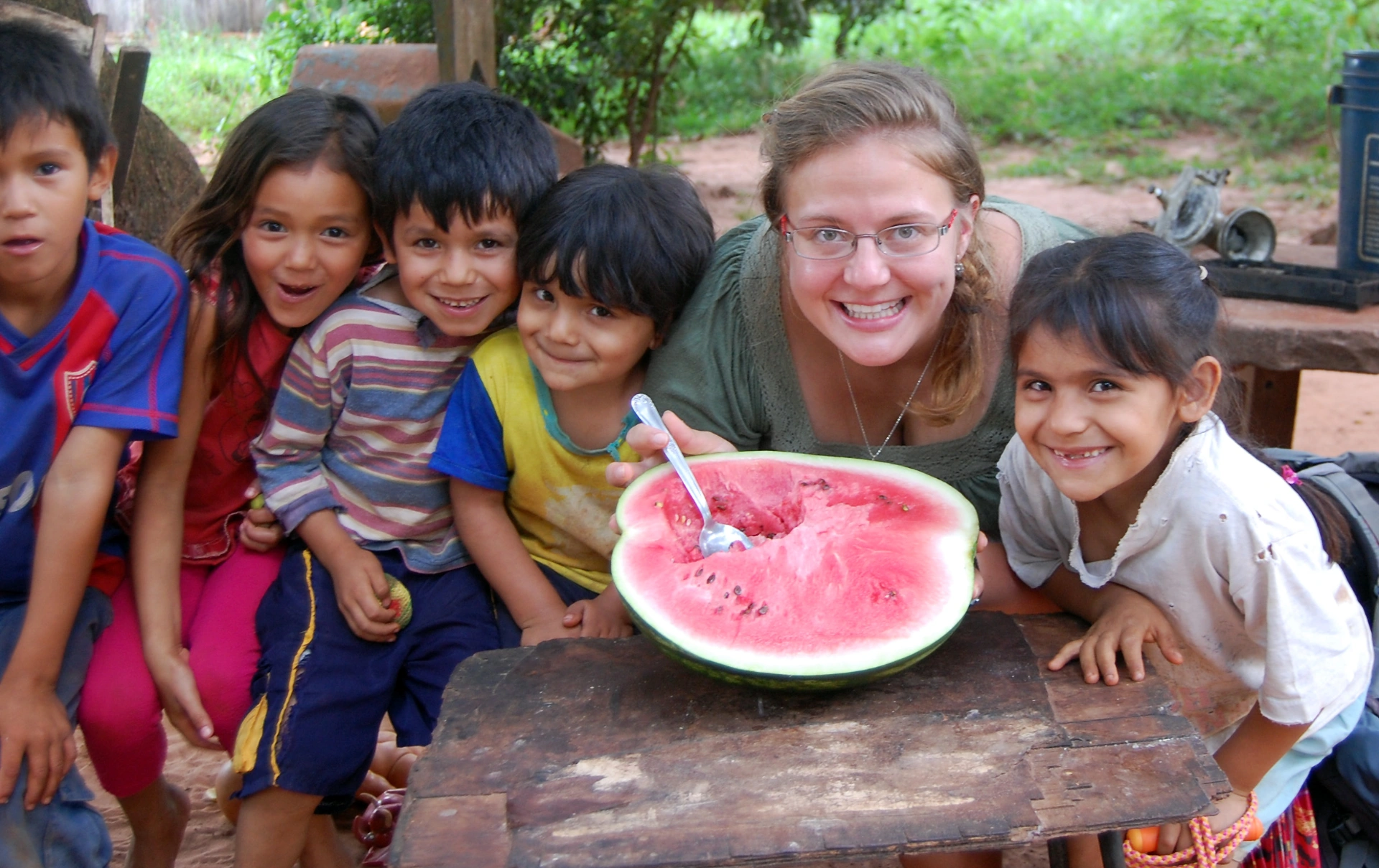
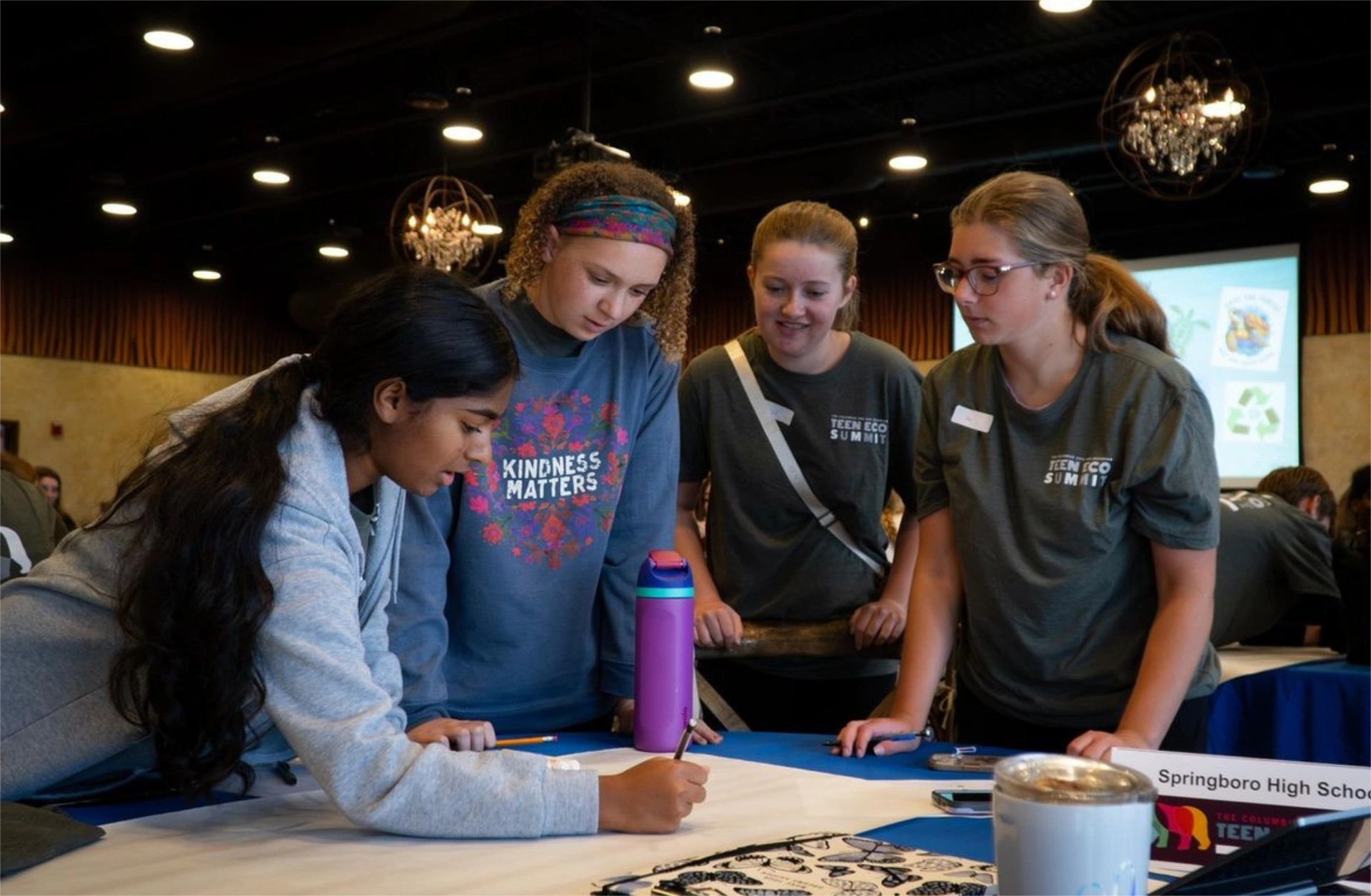
Stephanie took action through organizing recycling initiatives and partnering with youth and local schools to promote environmental awareness. One of her more creative projects was a “recycled arts” camp that she put together using discarded materials to create crafts and exposing youth ages K-12 to the joy of artistic expression, many for the first time. “Never forget the power of small change,” she remarked.
Additionally, Stephanie helped to form a neighborhood women’s commission, meeting weekly with its members to share public health information and provide healthy cooking demonstrations. One of her most notable initiatives was collaborating with the group to raise funds to expand running water access in the community.
Stephanie felt the success of her projects was equally as important as the level of investment she put into building lasting friendships with community members. “I looked for small ways I could make an impact on a personal level,” she explained. She would often leave the door to her home open, inviting neighborhood children to play games or receive help with their homework.
Enjoying her experience so much, Stephanie both extended her service a third year in Paraguay, and then served a fourth year in the Peace Corps Response Program as an Urban Youth Development Specialist in Colombia. “I couldn’t get enough of the Peace Corps, ” she commented, referencing the program’s mission to promote world friendship through community-based development and intercultural understanding as strongly aligned with her own values. Serving in Colombia helped Stephanie see how community support networks are just as important as physical resources when working to alleviate poverty and ensure communities can thrive.
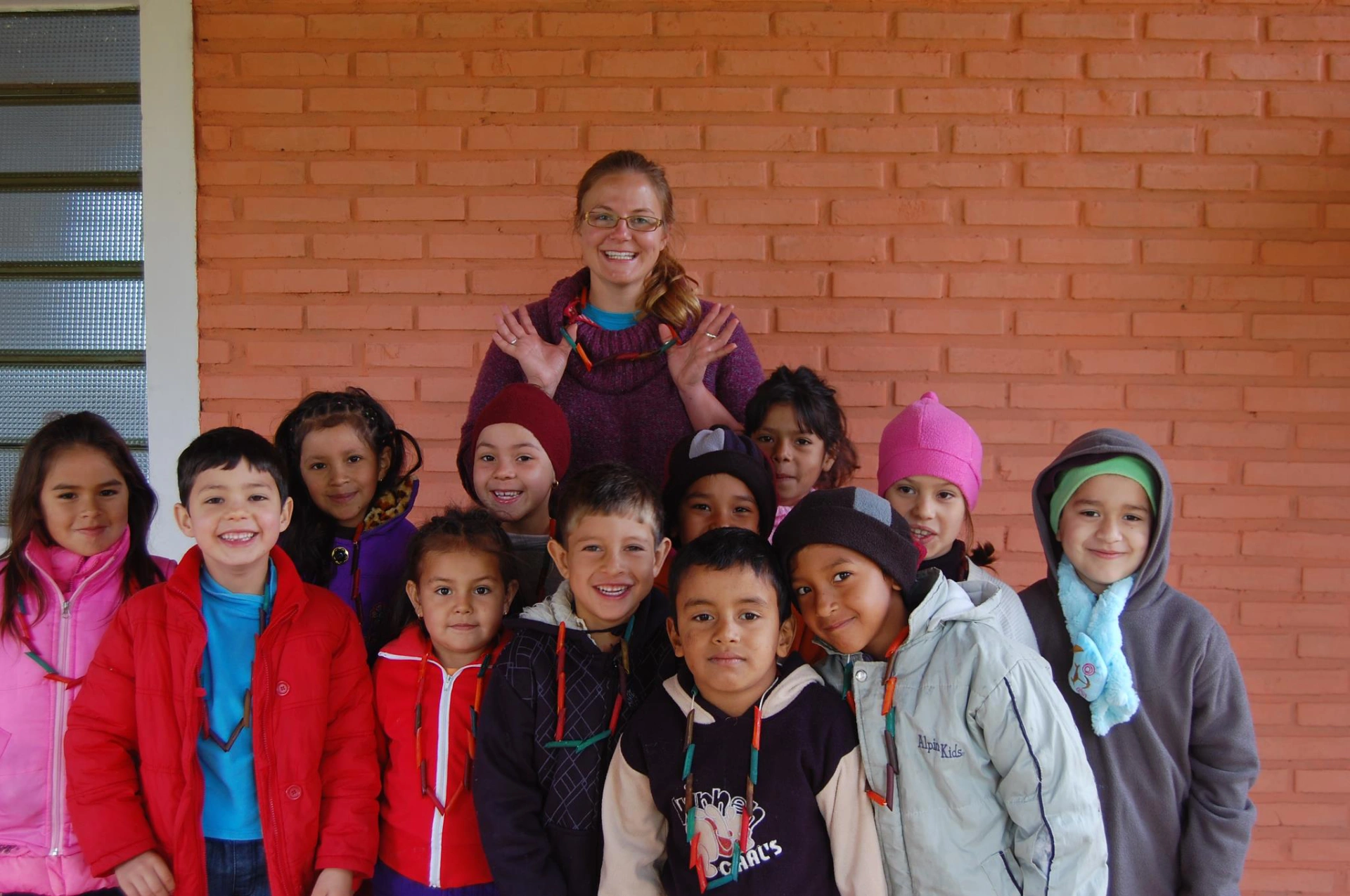
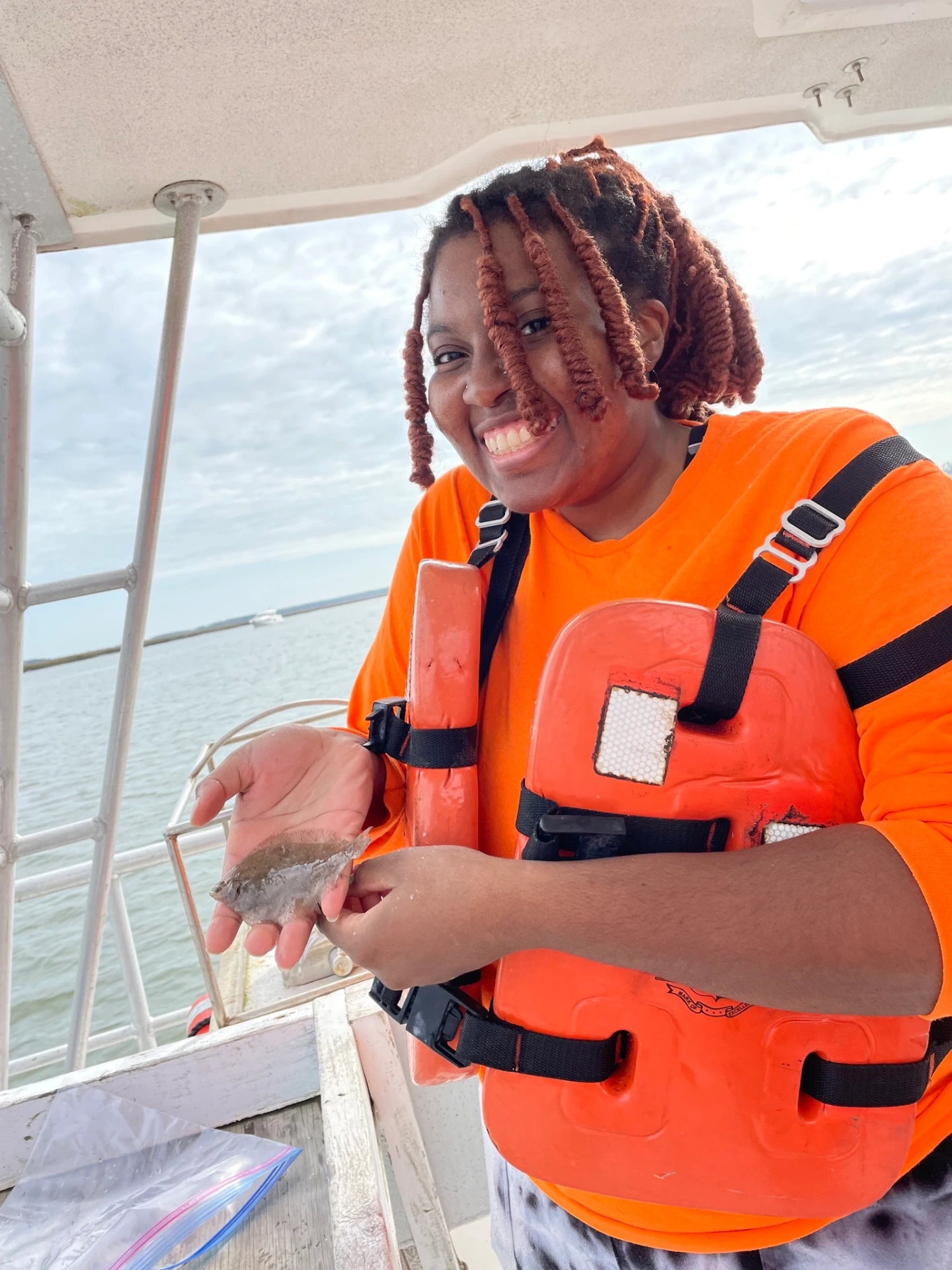
Carrying these experiences with her, Stephanie pursued opportunities that allowed her to merge environmental stewardship with sustainable development. She notes that her experience in the Peace Corps united her passions for conservation, education, and advocacy. She went on to teach English in Argentina, conduct Fulbright research examining international development frameworks in Chile, and work in the Public Diplomacy section at the U.S. Embassy in Paraguay. After a total of seven years in South America, Stephanie returned to the U.S. in 2017 to complete a master’s degree in Marine and Environmental Affairs from the University of Washington, with a focus on International Development Policy. Currently, she works as a Coral Reef Resource Manager in South Florida, educating the surrounding coastal communities about actions they can take to safeguard the unique and important ecosystem that is Florida’s Coral Reef. “Even if you live in a landlocked place, you’re still impacting our world’s oceans,” she said. What people throw away, their water use, and the policies they support all ripple outward with more impact than many folks realize.”
Sixteen years after first joining the Peace Corps, Stephanie continues to center her life around service. She highlights that to her, service means building up her community at the local level.
“Being the ‘people person’ that I am, it makes sense that I would seek to tackle issues at the scale that truly enables me to connect with people. Whether contemplating my early Peace Corps services or currently with my work and volunteerism, my entry point has always been at the local level.” She stated that where she has seen the biggest impact in her work has been in the enduring friendships she has formed as a result of service, highlighting her gift for building relationships.
“Service is and will continue to be a core part of who I am. I don’t ever see that changing.”
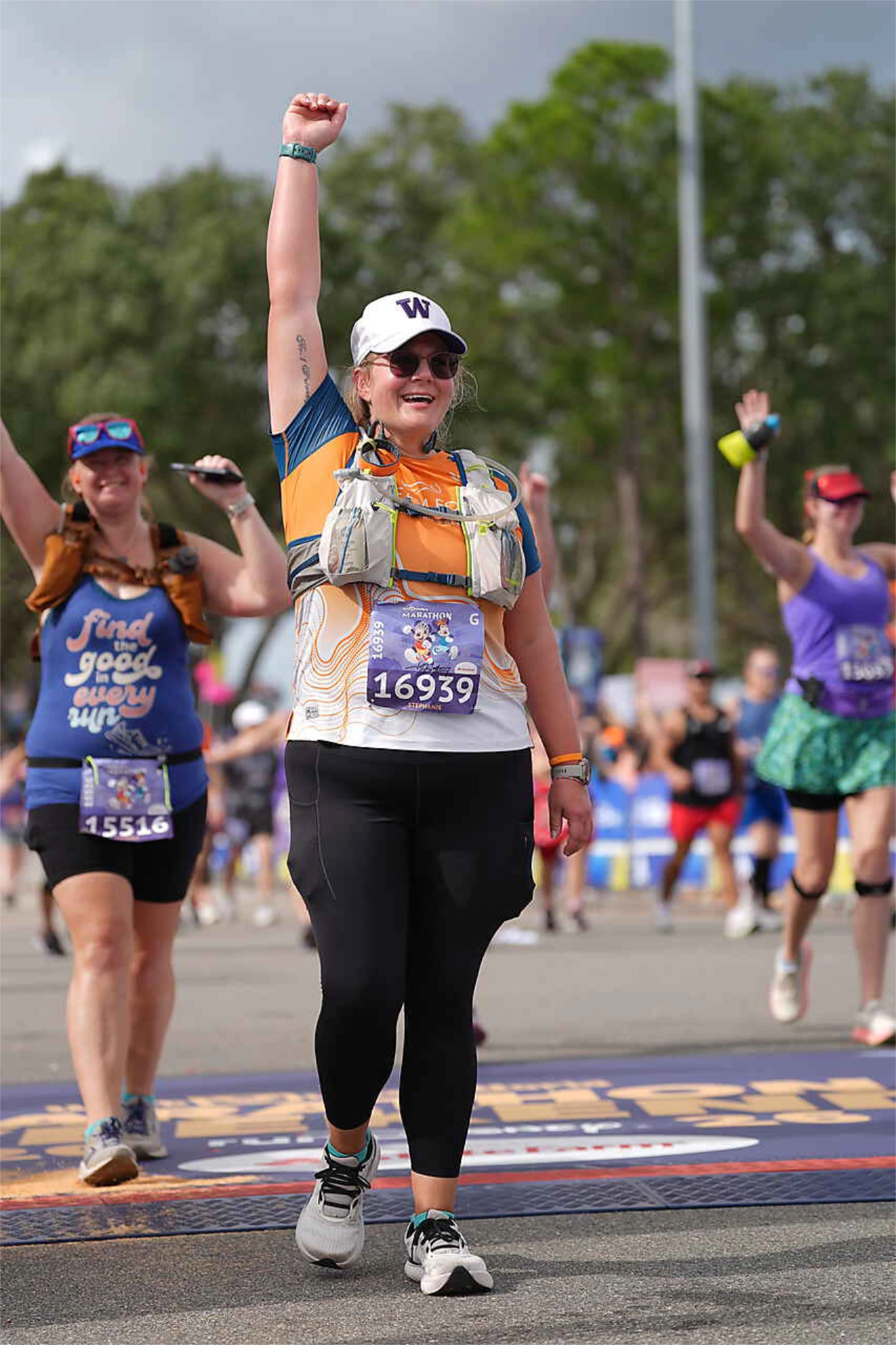
Today, Stephanie is a committed volunteer for organizations whose missions align with her values of conservation and stewardship. After losing her father to the disease last year, she has become passionate about Parkinson’s Disease research and advocacy. “I continue to embrace the values of civic engagement and community building instilled in me through my Dad and those formative Peace Corps experiences by volunteering locally for various non-profit organizations, like the Surfrider Foundation and the Michael J. Fox Foundation for Parkinson’s Research,” she explained. Recently, she raised more than $4,200 for the Michael J. Fox Foundation by representing Team Fox at the 2026 Walt Disney World Marathon.
Learn more about Peace Corps service at www.peacecorps.gov.